What Is GEO (Generative Engine Optimization)? Complete 2026 Guide
September 18, 2026Read Post
SEO for US businesses in 2026 requires a tailored strategy built around competition, local search intent, technical performance, high-quality content, and relevant authority. The blog also explains how businesses can evaluate international SEO agencies, including Pakistan-based teams, while adapting to emerging AEO and GEO opportunities in AI-powered search.
The US search market is one of the most competitive in the world. Almost every industry, from local plumbing companies to national SaaS brands, has established competitors investing heavily in SEO, PPC, and content marketing.
That does not mean ranking is impossible. It means a generic, one-size-fits-all SEO strategy is unlikely to deliver strong results in a market this competitive.
This guide explains what matters most for US-based SEO in 2026 and what businesses should consider when choosing an SEO partner.
Several factors make the US search market particularly competitive.
High competition. Many local and national keywords already have established competitors with years of content, backlinks, and SEO investment behind them.
State and city-level differences. A business serving Austin faces a different search environment from one operating in a small Ohio town. Local intent, map visibility, service areas, and location pages need to be handled at a more detailed level than a broad "US-wide" approach.
Higher user expectations. US consumers are accustomed to fast, mobile-friendly, professionally designed websites. Slow performance, poor navigation, or weak content can affect both trust and engagement.
Changing search behavior. Traditional search results are no longer the only way people discover information. AI-powered search is creating additional opportunities for businesses to improve their online visibility.
For businesses adapting to this changing search environment, RankNex AI provides SEO and AI search optimization services, combining traditional SEO with AEO and GEO strategies.
If your business serves multiple cities or states, each location should have a useful and genuinely differentiated page.
A strong location page can include:
Unique service information
Local market context
Relevant service areas
Local customer needs
Location-specific FAQs
Genuine local proof
Appropriate structured data
Creating dozens of nearly identical city pages and simply changing the location name does not provide much value.
A better approach is to build a logical location structure in which every page addresses a genuine search need.
Your business Name, Address, and Phone number should remain accurate and consistent across relevant business listings, Google Business Profile, industry directories, and your website.
Inconsistent business information can create confusion for customers and search engines.
Local SEO should therefore be treated as part of the wider SEO strategy rather than as a separate checklist.
US search behavior includes informational, commercial, comparison, and local searches.
Common examples include:
"best"
"vs"
"near me"
"cost of"
"services in"
"how much does"
Content that directly addresses these questions can help businesses reach potential customers at different stages of the buying journey.
A strong content strategy should also connect informational articles with relevant service and conversion pages through contextual internal links.
For a deeper look at this approach, read Content Marketing for SEO: How to Build a Strategy That Actually Ranks.
Building authority in a competitive US market is not simply about collecting as many backlinks as possible.
Relevance and credibility matter.
A backlink from a respected industry publication, local news website, business organization, or authoritative resource can be more valuable than a large number of unrelated directory links.
The focus should be on earning relevant, credible, and editorially appropriate mentions rather than artificially increasing backlink volume.
Technical SEO remains an important part of any competitive search campaign.
Key areas include:
Crawlability
Indexing
Site architecture
Internal linking
Page speed
Mobile usability
Canonicalization
Redirects
Structured data
Core Web Vitals
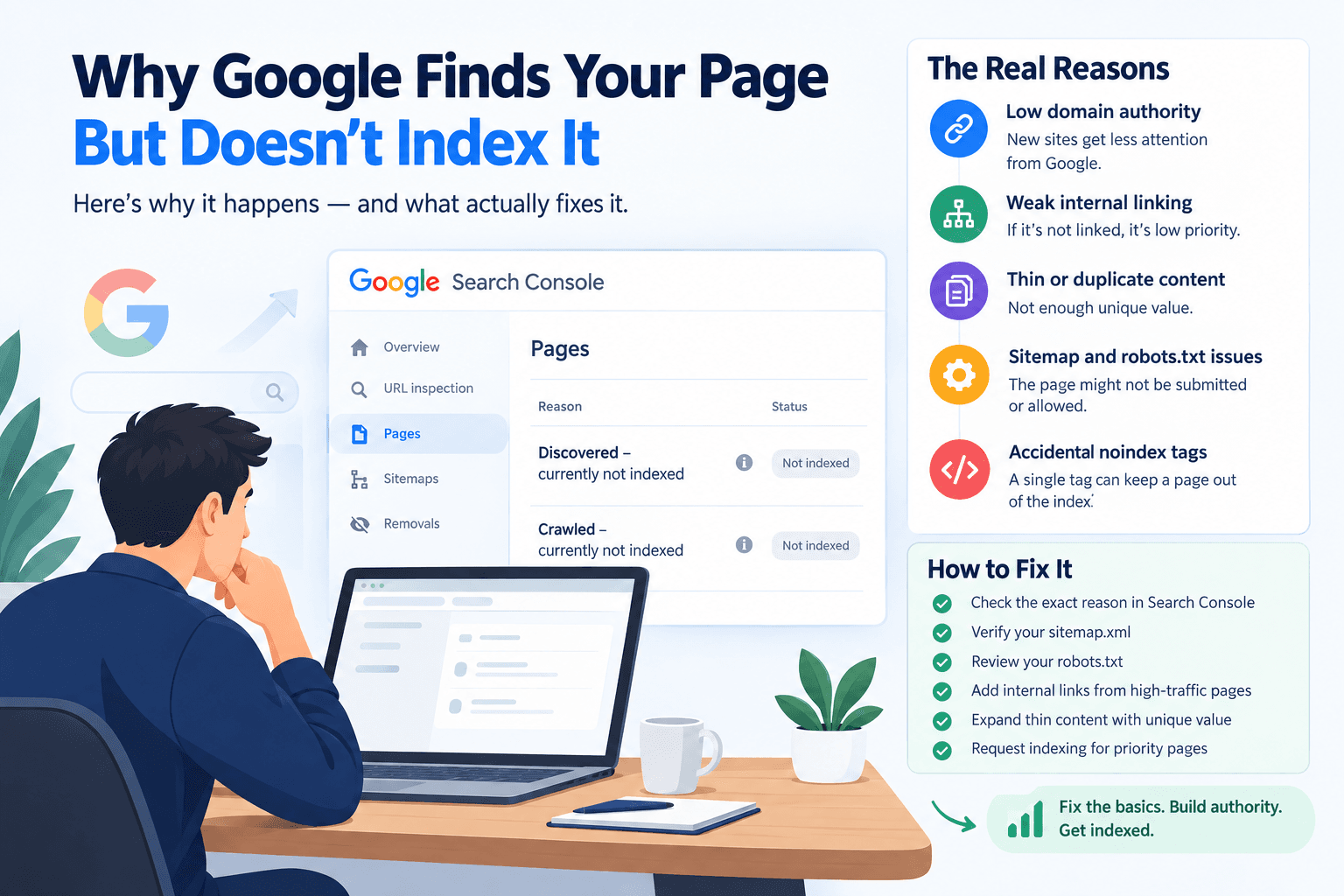
If important pages are not appearing in Google, publishing more content may not address the real problem.
Before expanding your content strategy, investigate issues such as why pages aren't getting indexed on Google.
A growing number of businesses consider outsourcing SEO to international teams, including agencies based in Pakistan.
There are several practical reasons why this arrangement can make sense.
Pakistan has a growing pool of digital marketing and SEO professionals. Outsourcing can give some US businesses access to experienced specialists at a different cost structure from hiring an equivalent team in the United States.
Lower cost, however, should not mean lower standards.
A professional SEO partner should still provide:
Experienced specialists
Technical SEO expertise
Quality content
Transparent reporting
A clear strategy
Reliable communication
Measurable KPIs
RankNex AI positions itself as a Pakistan-based SEO company serving businesses in the US and UK.
Time-zone differences can also provide operational advantages.
A properly managed international team can continue working while a US business is outside its normal working hours. This can help maintain progress across content production, technical work, research, reporting, and campaign management.
The arrangement works best when communication processes, deadlines, responsibilities, and approval procedures are clearly defined.
English-language capability is important when producing content for US customers.
However, fluent English by itself is not enough.
US-focused content should understand:
American terminology
US search behavior
Local search intent
Commercial expectations
Industry-specific language
Competitive search results
The finished content should feel relevant to US customers rather than like generic international SEO copy.
Ask potential agencies for examples of previous campaigns involving US businesses or US search markets.
Useful evidence can include:
Organic traffic growth
Keyword improvements
Local SEO results
Technical SEO improvements
Lead generation
Conversion improvements
Generic screenshots without context do not provide much insight into an agency's actual capabilities.
A credible agency should be able to explain the business objective, starting position, work completed, results achieved, and factors that influenced the outcome.
A local service business in Austin and a national SaaS company targeting customers across the United States have very different SEO requirements.
Local campaigns may focus on:
Google Business Profile
Local landing pages
Location-specific content
Reviews
Citations
Local search intent
National campaigns may place greater emphasis on:
Topical authority
Competitive keyword research
High-quality content
National link acquisition
Product and service pages
Enterprise-level technical SEO
A strong agency should be able to explain how its approach changes according to the business model.
AI-powered search is becoming another consideration for businesses competing for online visibility.
RankNex AI describes its approach as combining traditional Google SEO with AEO and GEO for AI-powered search experiences.
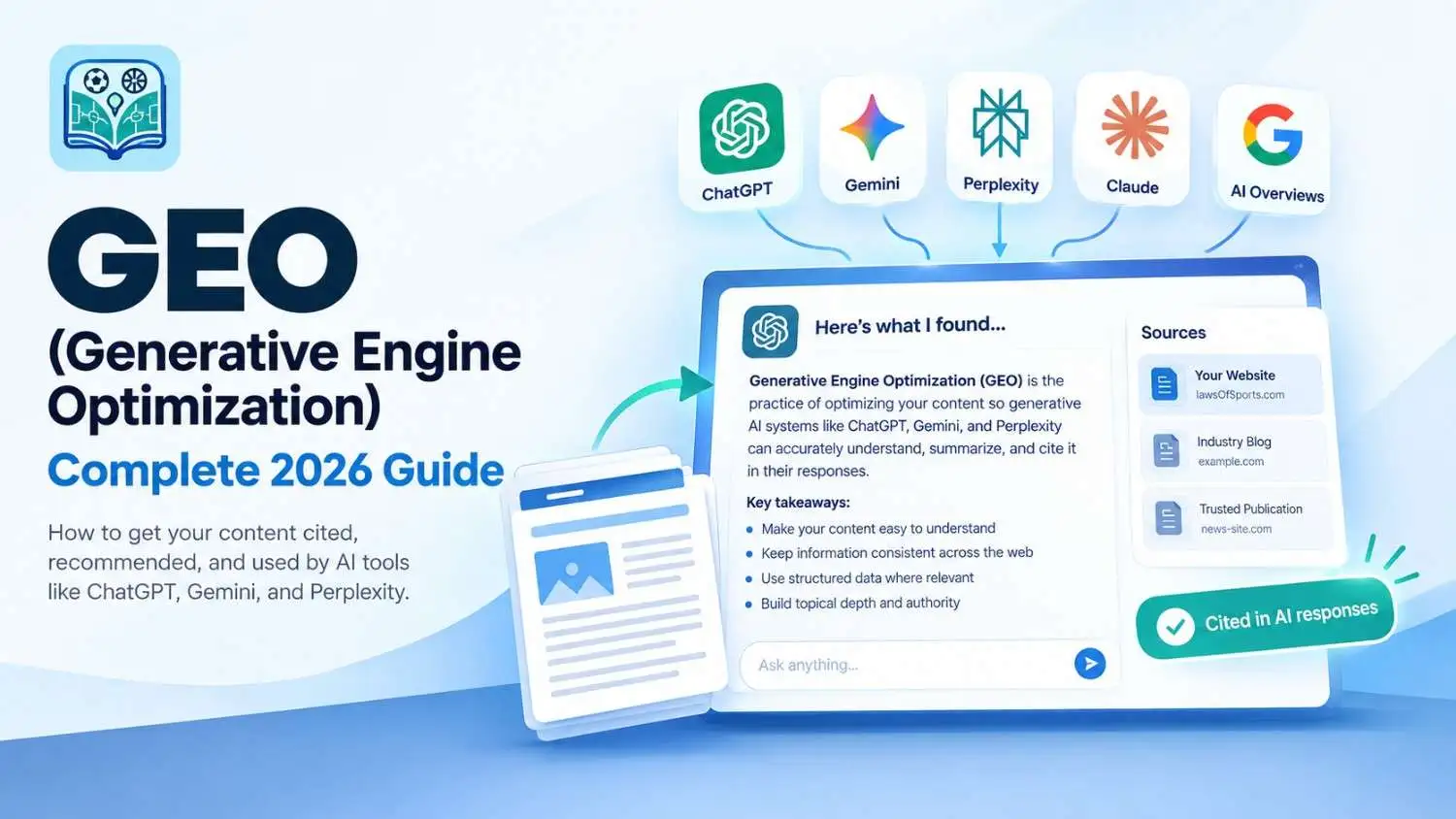
Businesses can learn more about this area through Gemini Search SEO and Generative Engine Optimization (GEO).
A professional SEO campaign should provide meaningful performance information.
Depending on the campaign, reporting may include:
Organic traffic
Keyword rankings
Search impressions
Search clicks
Leads
Conversions
Local visibility
Technical SEO progress
Content performance
A report that only lists the number of articles published or backlinks created does not provide enough information to understand business impact.
International partnerships require structured communication.
Before hiring an agency, establish:
A dedicated account manager
Defined response times
Regular meetings
Weekly or monthly updates
Shared task tracking
Clear reporting schedules
The exact communication system can vary. What matters is that both sides understand what is being worked on, who is responsible, and when deliverables are expected.
Not necessarily.
If your business has physical locations or defined service areas in multiple cities, location-specific pages may be appropriate when each page provides genuinely useful information for that market.
If you serve customers throughout the country without local offices, a national SEO strategy focused on strong topical content may be more appropriate than creating hundreds of location pages.
The right structure depends on your business model, service area, website architecture, and search intent.
There is no universal timeline.
The time required can vary depending on:
Competition
Website authority
Existing rankings
Technical condition
Content quality
Backlink profile
Target keywords
Industry
Search intent
Competitive markets generally require sustained work.
Instead of relying on a fixed timeline or guaranteed ranking promise, businesses should establish measurable milestones and monitor progress over time.
An agency's location is only one factor to consider.
Businesses should evaluate:
Transparency
Expertise
Communication
Reporting
Technical capability
Previous results
Contract terms
Accountability
An international SEO partnership can work effectively when expectations, responsibilities, communication, and performance measures are clearly defined.
One of the most common mistakes in competitive SEO is treating every article as an isolated piece of content.
A stronger strategy connects related content and gives users a logical path through the website.
For example:
US SEO guide → Local SEO guide → City-specific page → Service page → Conversion page
This structure gives users a logical journey while creating useful internal relationships between related pages.
Internal links should use descriptive anchor text and should only connect pages that are genuinely relevant to one another.
This is why content marketing and SEO should be planned together rather than treating blogging as a completely separate activity.
If a website has indexing, crawlability, or architecture problems, publishing hundreds of additional articles may simply create more pages without addressing the underlying issue.
A technical SEO review should examine:
Which pages are indexed
Which important pages are missing from search
Internal link structure
XML sitemap
Canonical tags
Redirects
Crawlability
Mobile usability
Page performance
Structured data
If important pages are not appearing in search results, investigate Google indexing problems and potential fixes before significantly increasing content production.
Traditional SEO focuses heavily on helping websites appear in search results.
AEO and GEO broaden the discussion to how information is structured, understood, and surfaced in AI-powered search experiences.
For US businesses, this can involve:
Answering customer questions clearly
Structuring information logically
Building topical authority
Maintaining accurate business information
Publishing authoritative content
Strengthening internal linking
Improving technical accessibility
Maintaining consistent entity information
Businesses can learn more about Generative Engine Optimization (GEO) and its role in the changing search environment.
SEO for US businesses requires a strategy that reflects the competitiveness and diversity of the US search market.
Local businesses need location-focused strategies. National businesses need scalable topical authority. Both require strong technical foundations, useful content, relevant authority, and reliable measurement.
For businesses considering an international SEO partner, location should not be the only consideration.
Experience, transparency, communication, technical expertise, market-specific content, reporting, and an understanding of modern search should all be evaluated before making a decision.
RankNex AI provides SEO, content, AEO, GEO, PPC, and related digital marketing services for businesses targeting markets including the US and UK.
Get a comprehensive SEO & AI visibility audit for your website with zero obligation.