SEO for UK Businesses: Why Outsourcing to a Pakistan-Based Agency Works (2026)
September 23, 2026Read Post
Effective content marketing for SEO is not about publishing a fixed number of blog posts every month. It starts with a clear strategy built around topic clusters, keyword research, search intent, and deliberate internal linking. The key approach is: Build topic clusters around core pillar pages. Research the keywords and questions your audience actually searches. Create focused supporting articles for each subtopic. Use relevant internal links and descriptive anchor text to connect related content. Match every article to the correct search intent. Prioritize genuine depth, original insights, and useful information over word count. Keep older content updated as information and search results change. Track organic traffic, rankings, leads, and conversions, not just publishing frequency. Connect informational content to relevant commercial and conversion pages. The main takeaway: SEO content works best as a connected content system, not a collection of random blog posts. Topic clusters + keyword research + search intent + internal linking create a stronger foundation for long-term organic growth.

Most businesses that say "content marketing isn't working for us" are actually describing content publishing without a strategy — blog posts written to hit a monthly quota, with no real plan behind which topics, in what order, or why. Content marketing built for SEO looks different from the start. Here's how to actually structure it.
Content marketing broadly means creating valuable content to attract and engage an audience. SEO is the discipline of making sure search engines can find, understand, and rank that content. You can do either one without the other — content built purely for engagement with no keyword strategy behind it, or technically optimized pages with thin, uninspired content.
The strongest results come from treating them as one combined effort from the planning stage, not bolting SEO onto content after it's written.
A strong content strategy should therefore connect keyword research, search intent, content creation, internal linking, technical SEO, and conversion goals rather than treating each activity separately.
The single biggest shift between content that ranks and content that doesn't is structure.
Instead of a list of disconnected blog post ideas, build content around clusters — a core topic (a "pillar" page) surrounded by several related, more specific articles, all interlinked.
This does two things: it signals topical depth to search engines, and it keeps readers moving between related pages instead of bouncing after one article.
Before creating a new article, you can use a website SEO checker and audit process to identify existing content gaps, technical issues, and opportunities for stronger internal linking.
If you're dealing with pages that are not appearing in Google, you can also review why pages aren't getting indexed on Google before building out a larger content cluster.
This becomes your pillar page — broad enough to link out to several subtopics, specific enough to actually rank for a meaningful keyword.
The topic should be closely connected to your products, services, expertise, or audience. Building clusters around unrelated keywords simply because they have search volume can create a large website without meaningful topical relevance.
Look at actual search queries, competitor content, and forums or communities where your audience asks questions in their own words.
This reveals angles a generic brainstorm misses.
You can also identify keywords your competitors are ranking for and use that research to find content gaps, underserved search intent, and related topics worth covering.
The objective isn't to copy competitor topics. It's to understand what information already exists and determine where your content can provide something more useful, specific, or authoritative.
Each supporting article should cover one specific angle thoroughly, rather than every article vaguely touching the whole topic.
For example, a broad SEO pillar page could connect to supporting articles covering:
Keyword research
Competitor keyword analysis
Technical SEO
On-page SEO
Internal linking
Content optimization
GEO and AI search visibility
SEO performance measurement
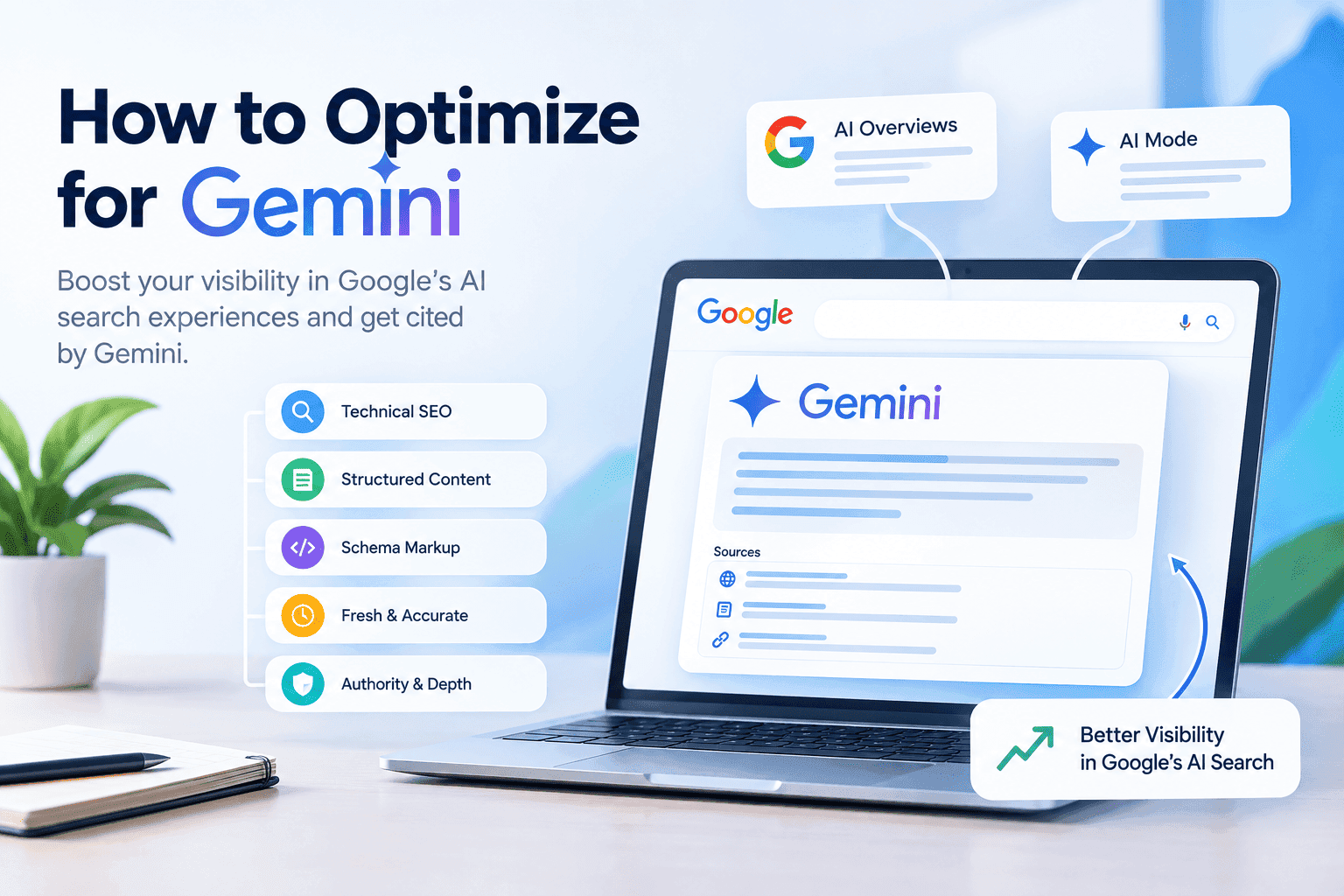
For AI-search topics, related content such as Gemini Search SEO and Generative Engine Optimization (GEO) can form supporting articles within the same broader topic cluster.
This creates a logical relationship between the pages instead of a collection of unrelated blog posts.
Every supporting article should link back to the pillar page and to at least one or two related pieces in the same cluster.
This is what actually builds a useful topical structure, not just having the content exist.
Internal links should use descriptive anchor text that tells readers and search engines what the destination page is about.
For example, instead of writing "read this article," use an anchor such as why pages aren't getting indexed on Google when the destination page specifically explains indexing problems and internal linking.
The goal is to create a connected content ecosystem where users can naturally move from one relevant resource to another.
A perfectly written article aimed at the wrong intent — informational content targeting a keyword with commercial intent, for example — will struggle regardless of quality.
Check what's currently ranking for a target keyword before writing, and match the format.
If searchers want a step-by-step guide, create a useful guide. If they want a comparison, build a comparison. If they are looking for a definition, answer the definition clearly before expanding into deeper information.
A long article padded with repetition doesn't outperform a shorter, more specific one that actually answers the question completely.
Depth means covering the topic's real sub-questions, not hitting a word count.
Use supporting internal links when another page can provide a deeper explanation instead of repeating the same information across multiple articles.
For example, an article discussing SEO audits can link readers to a dedicated website SEO checker and free SEO audit guide rather than repeating an entire technical SEO checklist.
Most competing content on a given topic says roughly the same things.
A unique data point, case study, original research, practical example, or genuinely different angle gives search engines and readers a reason to prefer your version.
Original information also creates opportunities for other websites to reference and link to your content.
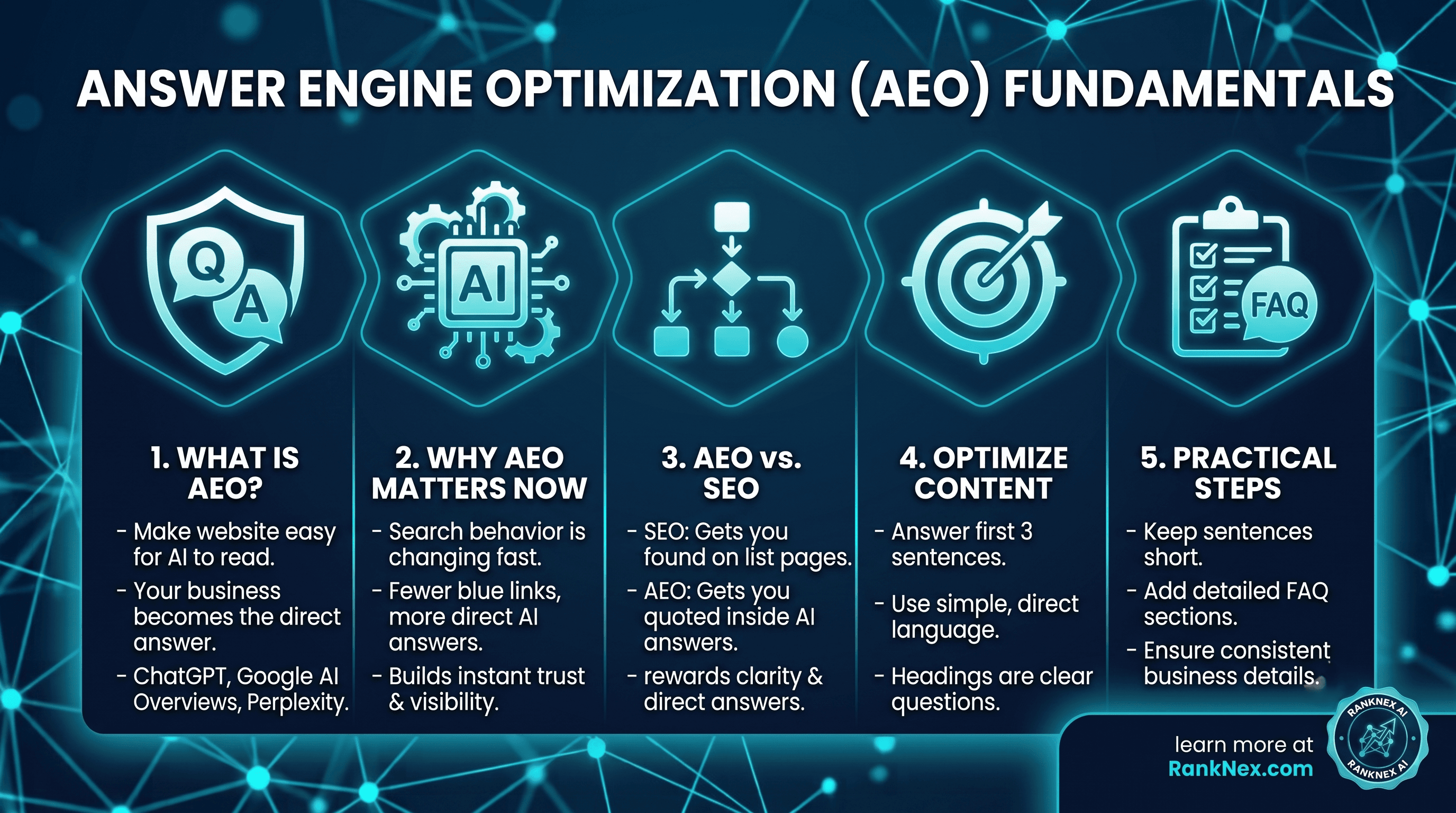
Clear headers, scannable sections, and direct answers near the top of the page help human readers and make content easier for search engines and increasingly, AI search tools to parse and cite.
Use a logical hierarchy:
H1 → H2 → H3 → supporting content
Avoid creating headings simply to insert keywords. Each heading should help explain what the following section covers.
Publishing without keyword research — producing content nobody is actually searching for, no matter how well-written.
No internal linking strategy — orphaned pages with no links pointing to them can be difficult for search engines and users to discover.
Treating content as one-and-done — never updating older posts as information changes or competitors publish stronger content.
Ignoring search intent — writing the content you want to write instead of the content the keyword's searchers are actually looking for.
No distribution plan — publishing and hoping, rather than promoting new content through email, social, or outreach to build the early traction that helps it gain traction in search.
Using irrelevant internal links — adding links simply to increase the number of internal links instead of connecting genuinely related pages.
Using generic anchor text — phrases such as "click here" provide less contextual information than descriptive anchors relevant to the destination page.
Track more than just publishing frequency.
The metrics that actually indicate success include:
Organic traffic growth to the content over time
Keyword rankings for target terms
Impressions and clicks from search
Internal link engagement
Leads generated
Conversion rate
Revenue or qualified enquiries influenced by content
Most importantly, measure whether the traffic converts into leads or customers.
A cluster generating traffic but no conversions usually signals a mismatch between the content's intent and what the business actually needs it to do.
For example, informational articles can attract large amounts of traffic while producing relatively few direct leads. That doesn't necessarily mean the content failed; it may indicate that the content needs stronger connections to relevant commercial or service pages.
Effective content should not exist in isolation.
A visitor might first discover an informational article through Google, move to a related guide through an internal link, explore a service page, and eventually become a lead.
This means your internal linking strategy should connect different stages of the user's journey.
For example:
Informational article → Related guide → Commercial page → Conversion page
This structure makes your content more useful while also helping important pages receive contextual internal links.
For websites focused on AI search visibility, an informational content strategy can naturally connect to Gemini Search SEO and GEO, while technical SEO issues can be explored through the Google indexing guide.
Content marketing that's actually built for SEO starts with structure — topic clusters, real keyword research, and deliberate internal linking — not a list of blog ideas published on a schedule.
The businesses that get consistent results treat content as a long-term compounding asset, revisiting and strengthening it over time rather than moving on to the next post the moment one is published.
A strong strategy also connects supporting articles together, directs users toward deeper resources, and ensures that important pages are not isolated from the rest of the website.
Get a comprehensive SEO & AI visibility audit for your website with zero obligation.